
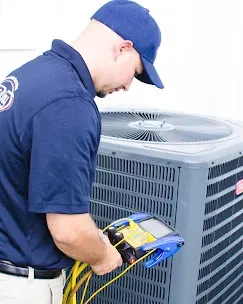
AC Making Strange Noises: Expert Diagnosis and Practical Solutions for Homeowners in Mesquite, TX
At Serveway Heating and Air Conditioning, we understand how unsettling unusual noises from your air conditioning system can be. These sounds often signal underlying issues that must be addressed promptly to avoid costly repairs or further damage. In this detailed guide, our team shares insights to help you identify common AC noises, understand their causes, and take effective steps to resolve them. Our mission is to equip you with knowledge and practical advice to maintain your system’s efficiency and your home’s comfort here in Mesquite, TX.
Guide for Homeowners: Diagnosing and Resolving Strange Noises in Air Conditioning Systems
As homeowners, recognizing and diagnosing unusual AC noises is a valuable skill that can prevent larger system failures. For example, a hissing noise may hint at a refrigerant leak, while banging can suggest loose internal components. These telltale sounds enable early detection and timely intervention, helping extend your system’s lifespan. When you experience persistent or concerning noises, our professionals at Serveway Heating and Air Conditioning are ready to assist with expert diagnosis and service.
Understanding Unusual Noises:
AC systems can emit various sounds, each indicating different potential issues. Typical noises include:
- Buzzing: Could point to electrical complications or a failing capacitor. Immediate inspection is crucial for safety.
- Squealing: Often relates to a worn fan belt or a fan motor problem, which affects airflow.
- Hissing: Might mean a refrigerant leak or a faulty expansion valve, requiring urgent professional attention.
We encourage our Mesquite, TX clients to familiarize themselves with these noises to catch problems early and reduce repair costs.
Immediate Actions to Take:
If you notice strange noises, take these steps:
- Turn Off the AC: To prevent further damage, switch off your unit immediately.
- Inspect the Outdoor Unit: Look for debris or blockages that might cause noise issues.
- Note the Noise Details: Document the type of sound and when it happens to aid our technicians during inspection.
These actions help minimize damage and provide valuable information for diagnostics.
When to Contact Serveway Heating and Air Conditioning:
Reach out to us if:
- Unusual noises continue after your initial checks.
- You detect hissing sounds indicative of refrigerant leaks, which must be handled by certified professionals.
- These noises coincide with other performance issues like reduced cooling or airflow.
Addressing these concerns early can prevent extensive repairs and improve reliability.
Preventive Measures We Recommend:
To keep your AC running smoothly and quietly, adopt these practices:
- Regular Filter Replacement: Change filters every one to three months to maintain proper airflow.
- Periodic Professional Maintenance: Schedule routine evaluations with our team to identify and fix issues proactively.
- Frequent Inspections: Check your outdoor unit regularly for debris and wear to prevent noise and damage.
Implementing these steps as part of your home care routine helps ensure quieter and more efficient operation.
Common AC Noises in Mesquite, TX Homes and Their Causes
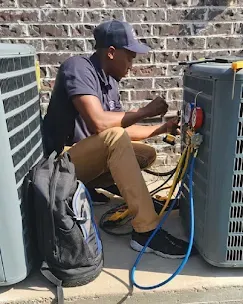
Recognizing the most common noises generated by AC units assists in early problem detection. Typical sounds you might hear include:
- Buzzing: Usually from electrical issues or loose wiring.
- Rattling: Often caused by loose screws or parts within the unit.
- Grinding: Indicates worn bearings or fan motor problems.
Understanding what each sound means helps you handle the issue effectively.
Sources of Buzzing, Squealing, and Rattling in AC Units
Various components can cause distinct sounds:
- Buzzing from Capacitors: A sign of electrical faults needing professional attention.
- Squealing from Fan Motors: Indicates bearing wear requiring repair or replacement.
- Rattling from Loose Panels: Can be fixed by securing loose covers to maintain efficiency.
Knowledge about these can help you monitor your AC’s performance better.
Mechanical Causes of Knocking and Grinding Noises
Knocking and grinding generally signal mechanical problems like:
- Loose Parts: These cause knocking noises from parts hitting each other.
- Worn Bearings: Grinding sounds often point to deteriorated fan or motor bearings.
Such noises require immediate professional assessment to prevent further damage.
Step-by-Step Approach to Diagnosing AC Noises
Follow these steps for accurate diagnosis:
- Identify the Sound: Describe the noise type clearly.
- Note Timing: Observe if it occurs during startup, operation, or shutdown.
- Observe Frequency: Check how often and how long the noise lasts.
This helps our specialists understand the problem and recommend solutions.
Diagnosing Compressor Noises
Check these aspects:
- Sound Pattern: Regular vs. intermittent noises can indicate different issues.
- Connection Integrity: Ensure wiring is secure to avoid electrical buzzing.
- Signs of Refrigerant Leaks: May require professional intervention for safe handling and repair.
Assessing Fan Motor and Blower Fan Noises
Evaluate:
- Sound Consistency: Persistent noises might indicate alignment problems.
- Blockage Check: Clean any debris to reduce strain and noise.
Maintaining fan components enhances airflow and extends system life.
Safe DIY Repairs You Can Perform
Try these safe fixes:
- Tighten Loose Screws and Panels: Eliminates rattling sounds.
- Replace Worn Fan Belts: Address squealing by changing belt condition.
- Clean Outdoor Units: Remove debris to prevent noise and performance issues.
These actions reduce noise and help you learn more about your system.
Fixing Buzzing and Squealing Noises
Steps include:
- Check Electrical Connections: Secure wiring and contacts.
- Inspect Fan Motor and Belts: Repair or replace if damaged.
- Request Professional Assistance: Contact us if noises continue after your interventions.
Our expertise ensures proper resolution of these issues to restore quiet operation.
Resolving Rattling Sounds and Loose Components
Address rattling by:
- Tightening Panels: Use the appropriate tools to secure loose parts.
- Clearing Debris: Remove leaves and dirt from the unit.
- Seeking Professional Advice: If problems persist, contact us for thorough inspection.
These straightforward steps can immediately reduce rattling noises.
When to Call Our HVAC Professionals for Strange AC Noises
Contact Serveway Heating and Air Conditioning if:
- Unusual noises are persistent or loud despite basic troubleshooting.
- You suspect refrigerant leaks, which require certified handling for safety.
- During regular maintenance to keep your system in optimal condition.
Proactive professional care avoids larger repairs and ensures system reliability.
Noise Symptoms Indicating Serious Mechanical Damage
Be aware of these critical signs warranting immediate service:
- Persistent Grinding Sounds: Indicate severe wear on moving parts necessitating repairs.
- Frequent Banging Noises: Suggest internal parts impacting each other, risking failure.
- Unusual Hissing: Often linked to refrigerant leaks affecting safety and efficiency.
Prompt action prevents costly breakdowns.
Choosing a Reliable HVAC Professional in Mesquite, TX
We recommend:
- Verifying Credentials: Ensure your HVAC provider has recognized certifications and substantial experience.
- Reviewing Customer Feedback: Seek companies with positive reviews reflecting quality service.
- Requesting Detailed Estimates: Understand service costs before proceeding.
At Serveway Heating and Air Conditioning, our dedication to customer satisfaction and expertise positions us as your trusted HVAC partner.
Innovations Reducing Air Conditioner Noise Levels
Modern advancements help create quieter AC units, including:
- Enhanced Compressor Designs: Engineered for quieter operation without compromising performance.
- Improved Fan Motors: Designed with sound reduction technologies for smoother, quieter airflow.
- Sound Insulation Materials: New materials effectively dampen noise transmission.
These technologies contribute to a more comfortable and peaceful home environment.
Advanced Compressor Designs for Noise Minimization
Key features include:
- Sound Dampening: Components absorb vibrations to reduce noise.
- Optimized Performance: Efficient operation balances quietness with functionality.
- Variable Speed Technology: Adjusts compressor speed to lower noise during reduced demand periods.
Such designs highlight the ongoing innovation within our industry.
Role of Modern Fan Motors and Sound Insulation
Modern equipment incorporates:
- Quiet Motor Designs: Reduced vibration frequencies lead to quieter operation.
- Enhanced Insulation: Prevents noise from escaping the unit, keeping your home serene.
- Integrated Solutions: Combined innovations improve both noise reduction and system efficiency.
These advancements improve the overall user experience significantly.
Key Warning Signs and Preventive Measures
To keep your AC system efficient and quiet, watch for:
- Odd Noises: Buzzing, grinding, or rattling may indicate issues.
- Reduced Airflow: Could signal blockages or mechanical problems.
- Regular Maintenance: Scheduling inspections and tune-ups prevents problems.
Taking these warnings seriously and acting promptly maintains your system’s health.
Recognizing Early Indicators of Component Wear and Noise Problems
Keep an eye on:
- Performance Changes: Cooling fluctuations can reveal wear.
- Consistent Noise Patterns: Note if noises occur under specific conditions.
- Visual Inspections: Look for rust, corrosion, or damaged parts.
Early detection through these steps supports system longevity and reliability.
Routine Maintenance Practices to Prevent Strange Noises
Effective maintenance includes:
- Filter Changes: Replace every one to three months for optimal airflow.
- Coil and Fin Cleaning: Ensures parts stay clean to reduce strain and noise.
- Annual Professional Check-Ups: Our team provides thorough inspections and upkeep.
Following these routines helps maintain a quiet and efficient air conditioning system.
Frequently Asked Questions About AC Noise
Clients often ask:
- Why is my AC making a hissing sound? This likely signals a refrigerant leak requiring professional service.
- What does rattling mean? Usually loose parts that need tightening.
- When should I call a professional? If noises persist after DIY checks or suggest major mechanical problems.
We encourage you to reach out to Serveway Heating and Air Conditioning for personalized support and answers.
Need Help with Your AC Noise Issues in Mesquite, TX?
Our expert team at Serveway Heating and Air Conditioning is ready to diagnose and fix any unusual noises coming from your air conditioning system. Don’t wait for problems to worsen—contact us today for a thorough evaluation and professional repair that ensures your comfort and peace of mind.